
SprayFoamRigRental
Equipment Education

What Equipment Is Typically Available to Rent

A plain, vendor-neutral breakdown of what a spray foam "rig" actually consists of — so you know what you're evaluating before you call a rental provider.

What a Rig Actually Is

Most people searching for "spray foam equipment rental" picture a single machine. In reality, a rig is a connected system of components, usually mounted in a trailer or box truck: a power source, a proportioner, heated hoses, and a spray gun, all working together to turn two liquid chemical components into sprayed foam.

When a rental provider quotes "a rig," what's actually included in that quote can vary — which is exactly why it's worth understanding each piece individually before you compare providers.

Rigs also come in different output tiers. A unit built for occasional residential attic and crawl-space work is sized very differently than one built for daily commercial roofing and large-envelope jobs — and a provider's standard rental unit isn't automatically the right size for every job. Knowing what each component does makes it possible to ask a provider the right sizing questions instead of just accepting whatever's available that week.

The Core Components

Close-up of a spray foam proportioner unit

Proportioner

The core metering and heating unit. It draws the two liquid chemical components from separate drums, heats and pressurizes each, and mixes them in a precise ratio before they reach the hose. Output rating (how much material it can push per minute) is what determines whether a rental unit can keep up with a given job size — a unit sized for small residential work will bottleneck a large commercial pour. Ask a rental provider for the unit's rated output, not just its brand name, before assuming it fits your job.

Spray gun applying spray foam insulation

Spray Gun

The application tool where the two chemical components finally combine and get sprayed onto the surface. Gun type and the condition of its internal mixing chamber directly affect spray pattern and finish quality — a poorly maintained rental gun can produce uneven coverage even if the proportioner behind it is dialed in correctly. Tip size also affects output rate, so the gun that ships with a rental unit should match the job's expected pace, not just its chemistry.

Coiled heated hose used in spray foam rigs

Heated Hose

Runs the two chemical components from the proportioner to the gun, keeping both lines at a consistent, matched temperature over the length of the run. Temperature control along the hose matters because the chemistry only reacts correctly within a specific range — a cold spot anywhere along a hose run can throw off the mix at the tip. Rental hose lengths vary by provider and job type; a shorter standard length may mean staging the rig closer to the work than you'd planned, so it's worth confirming length before delivery day.
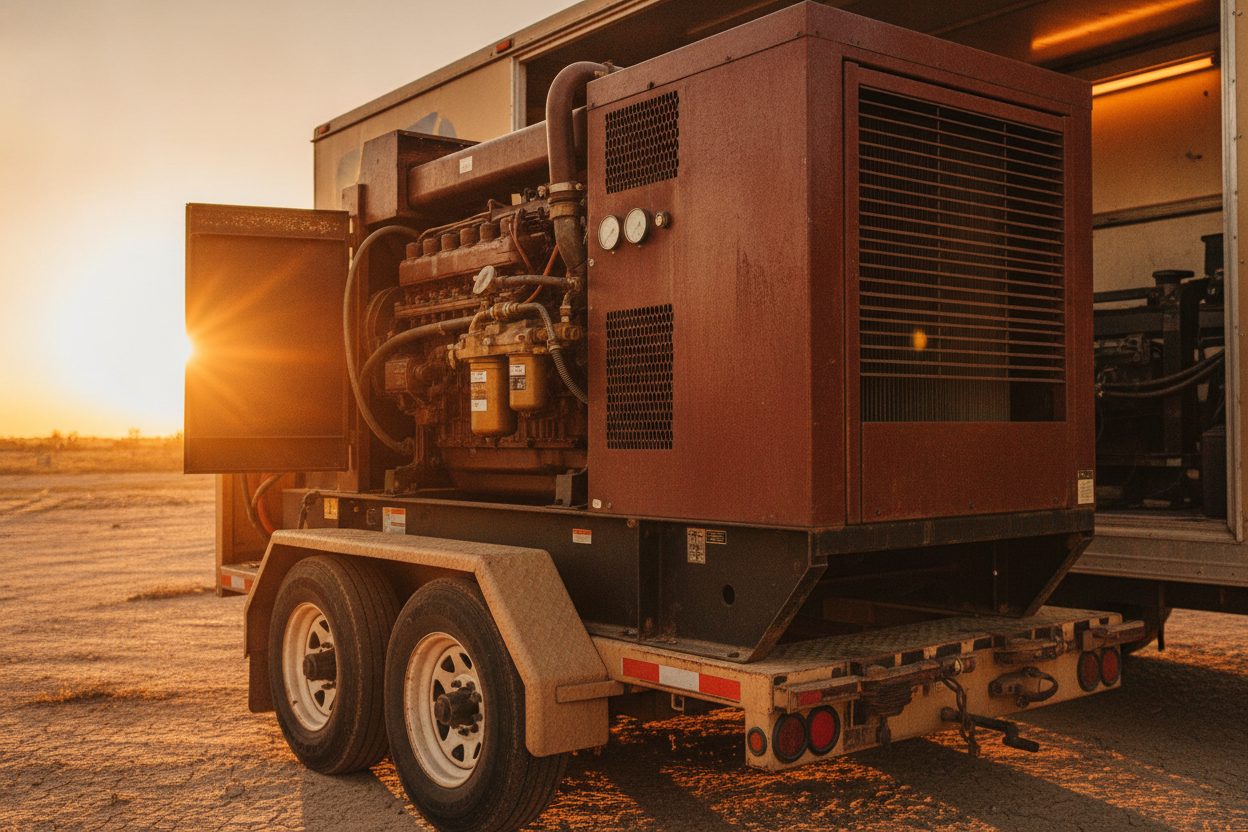
Generator power unit for a spray foam rig

Generator / Power Requirements

Most rigs run on an onboard generator since the proportioner's heaters and pumps need stable, sustained power, often at jobsites with no other electricity available. Rigs are typically either electric-powered (needing a suitable on-site power hookup) or gas/generator-powered (self-contained but requiring fuel logistics) — which setup a rental provider offers affects where and how the rig can actually be used. If a site has no reliable power source, confirm the rental unit is genuinely self-contained before it's too late to swap.

Material Types: Open Cell vs. Closed Cell

Informational only — sprayfoamrigrental.com doesn't sell or rent material.

Closed-Cell Foam

Denser, higher R-value per inch, and adds structural rigidity. Commonly used where moisture resistance and a vapor barrier matter — roof decks, rim joists, below-grade applications. Requires equipment calibrated for its specific mix ratio and pressure requirements, and its higher density generally means a proportioner working harder per pound sprayed than it would on open-cell material.

Open-Cell Foam

Lighter, more flexible, and typically lower cost per board foot. Common in interior wall cavities and attics where sound dampening and air sealing are the priority over vapor-barrier performance. Different chemistry means different calibration than closed-cell — a rig set up for one isn't automatically ready for the other, and switching a proportioner between the two materials mid-week without proper flushing and recalibration is a common source of off-ratio foam.

Set Your Expectations

What's Usually Bundled vs. Rented Separately

Rental packages vary a lot by provider. Some quote a single all-in rig rate that includes the proportioner, gun, and a standard length of hose. Others price the proportioner and hose separately, charge extra for longer hose runs, or treat the generator as an add-on rather than a default inclusion.

There's no industry-standard bundle, which means the same job can get very different quotes from two providers even when the base day rate looks similar. The only way to compare apples-to-apples is to ask each provider exactly what's included before you commit — see our checklist for what to check before you rent.

It's also worth matching the bundle to the job, not just the price. A cheaper quote that excludes the generator isn't actually cheaper if your site has no power hookup and you end up sourcing one separately on short notice. Get the full scope in writing — component by component — before comparing any two quotes on price alone.

Questions worth asking any provider

  • • Is the generator included, or billed separately?
  • • What hose length is standard, and what does extra length cost?
  • • Is delivery/pickup part of the quoted rate?
  • • Does the rate include a spray gun, or is that a separate line item?
  • • What's the proportioner's rated output, and does it match the job size?
  • • Is the rig already calibrated for open-cell or closed-cell, and can it be switched?

Whichever Setup You're Evaluating

If you'd rather hand the job to a pro than sort through equipment specifications yourself, CCA can match you with an insured spray foam contractor — no cost, no obligation.

Call Now Get Matched